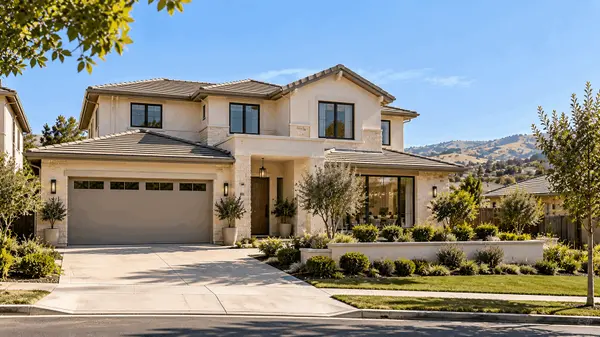
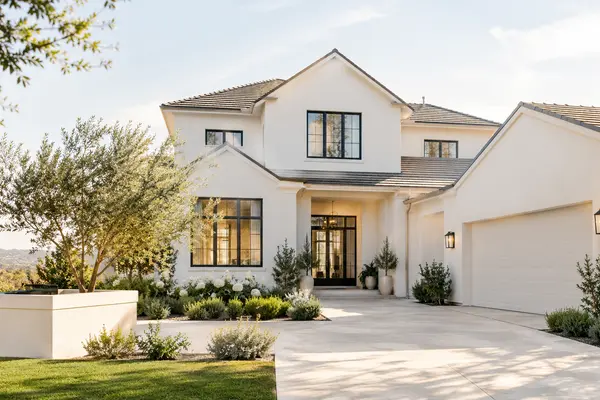
The Real Difference Between a House That Looks Good and a Home That Holds Value
A lot of homes know how to make a first impression.
They arrive on the market with bright photography, fresh paint, carefully staged rooms, and finishes chosen to look impressive on a screen. They generate clicks quickly. Showings book fast. Buyers walk in expecting to fall in love.
Sometimes they do.
But after many years helping clients buy and sell across the San Francisco Bay Area—and after living in Livermore for more than thirty years—I can tell you that the homes people feel most confident about years later are not always the ones that looked the best on day one.
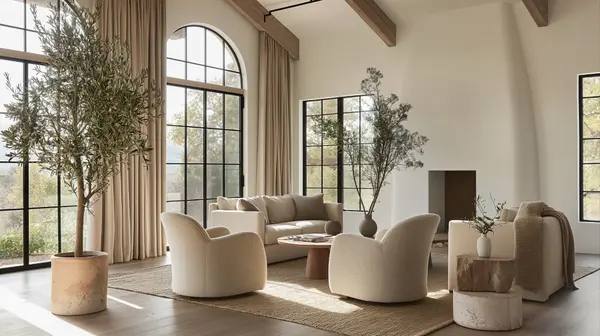
Because there is a real difference between a house that photographs well and a home that continues to hold value.
The first one captures attention.
The second one supports your life, adapts with your needs, and remains desirable when the market changes.
That difference matters whether you are buying your first property, moving up, downsizing, or preparing to sell.
Key Takeaways
- Great presentation can attract buyers, but lasting value usually comes from location, layout, condition, and livability.
- In Livermore and surrounding East Bay markets, neighborhood position often matters more than cosmetic upgrades.
- Buyers in 2026 are paying closer attention to ownership costs, flexibility, and future resale appeal.
- Sellers often see stronger returns from smart preparation than trend-heavy remodeling.
- The best buying decisions usually feel good emotionally and make sense practically.
A Beautiful Listing Is Not Always a Strong Purchase
This is one of the easiest traps in modern real estate.
Online listings reward appearance. Strong photos and polished presentation can make a home feel more valuable before a buyer has considered the street, floor plan, storage, traffic flow, or long-term maintenance needs.
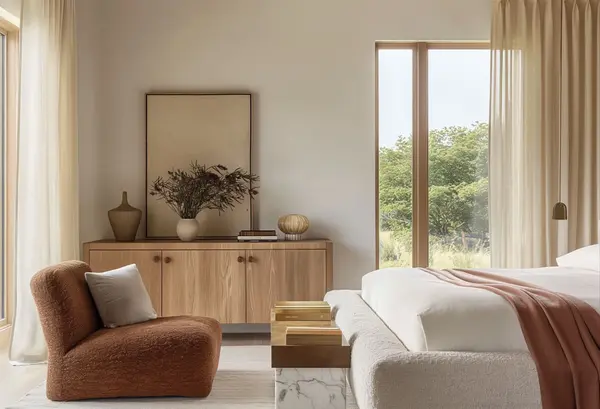
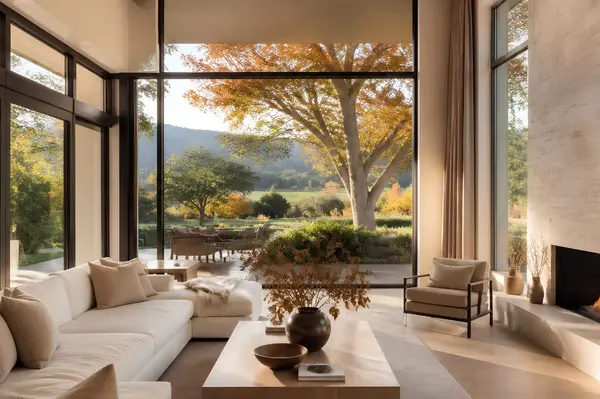
The National Association of Realtors has reported that staging can help buyers visualize a property and improve presentation. That is true. Staging is useful marketing.
But staging is not the same as value.
I have seen buyers walk into homes with dramatic kitchens and designer finishes, only to realize a few minutes later that the bedrooms were undersized, the lot lacked privacy, or the daily commute would create frustration. I have also seen buyers initially overlook simpler homes that later proved to be the smarter investment because the location, layout, and fundamentals were stronger.
The market notices that difference eventually—even when buyers do not at first.
In Livermore, Location Still Does Heavy Lifting
No matter how styles change, location remains one of the most reliable drivers of long-term desirability.
That is especially true in Livermore, where buyers are often balancing lifestyle, schools, commuting patterns, lot size, and neighborhood feel all at once.
Some buyers prioritize proximity to downtown for restaurants, events, and walkability. Others want easier access toward Pleasanton, Dublin, or regional commuter routes. Some specifically look for larger lots, quieter streets, or homes closer to open space.
Those preferences change from client to client, but one principle does not: you can repaint walls, replace countertops, and redesign landscaping. You cannot relocate the property.
That is why I often tell buyers not to let finishes distract them from fundamentals.
The Floor Plan You Live In Matters More Than the One You Tour
A house can feel exciting during a twenty-minute showing and frustrating six months later.
Usually, the reason is layout.
Does the kitchen connect naturally to the living space? Is there enough separation for remote work or guests? Is storage adequate? Do people move through the home comfortably? Does the primary suite feel private? Can the space evolve if life changes?
Those are not glamorous questions, but they shape daily satisfaction more than trendy tile ever will.
In today’s market, buyers are generally more practical than they were during lower-rate years. Monthly carrying costs matter more. Adaptability matters more. Wasted square footage matters more.
That means homes with functional, flexible layouts often maintain stronger appeal than homes built around visual impact alone.
Condition Creates Quiet Confidence
Some of the most valuable qualities in a home are the least dramatic.
A newer roof. Updated heating and cooling systems. Solid drainage. Efficient windows. Proper maintenance records. Quality workmanship. Improvements completed thoughtfully rather than cosmetically.
Buyers may not celebrate those items on social media, but they often feel them when making an offer.
The U.S. Department of Energy notes that insulation, air sealing, and efficient systems can reduce energy use and operating costs. In practical terms, that means buyers increasingly recognize that ownership cost is part of affordability.
I often see buyers become more confident when a home feels cared for. Confidence can be more valuable than flash.
Why Some Stylish Homes Sit While Simpler Homes Sell
Every market teaches this lesson repeatedly.
A beautifully presented home can still sit if it is overpriced, poorly positioned, compromised by layout, or competing against stronger alternatives nearby.
Meanwhile, a less dramatic home can generate serious demand when it offers what buyers truly need: good location, sensible floor plan, manageable upkeep, and pricing aligned with reality.
That is why price reductions often happen on homes that “should have sold quickly” based on looks alone.
The market is usually asking a deeper question than beauty.
Is this home worth it?
What I Often Tell Sellers in Livermore
Many sellers assume they need an expensive remodel before listing. In my experience, that is not always the best use of money.
The better path is often strategic preparation:
- Resolve deferred maintenance
- Refresh paint where needed
- Improve lighting
- Clean and simplify spaces
- Strengthen curb appeal
- Price based on current demand, not old headlines
Buyers respond strongly to homes that feel honest, well cared for, and ready for the next chapter.
Luxury presentation helps. Trust helps more.
What I Often Tell Buyers Right Now
When clients ask me whether a home is “the one,” I usually encourage them to slow the emotional rush and look one layer deeper.
I ask questions like:
How will this home feel on a Tuesday morning, not just on showing day?
Will the commute still work next year?
Does the layout support your real life?
Are you paying for lasting value—or temporary polish?
If the market softens, would other buyers still want this home?
Those questions do not remove emotion from the process. They protect it.
Because the best purchases are the ones that still feel smart after the excitement settles.
Frequently Asked Questions:
Does staging increase a home’s value?
Staging can improve presentation and buyer engagement, but market value is still driven primarily by location, condition, size, lot characteristics, and buyer demand.
Is a remodeled home always the better investment?
No. Some remodels are cosmetic. Buyers should still evaluate systems, layout, workmanship, and neighborhood quality.
What usually helps resale value most?
Location, practical layout, consistent maintenance, realistic pricing, and broad buyer appeal often matter most over time.
Should buyers consider homes that need cosmetic updates?
Often, yes. Cosmetic changes are usually easier and less expensive than changing location or correcting a poor layout.
Thinking About Making a Move?
If you are considering Livermore, the most important step is understanding how your priorities align with what the market actually offers—not just what looks appealing online.
Contact me to start the conversation.
Because the right move is not only about buying a home. It is about choosing a place that works for your life long-term.
Categories
- All Blogs (30)
- Bay Area Housing Market (6)
- Buyer Guides (1)
- Home Buying Tips (4)
- Home Maintenance & Seller Tips (1)
- Home Selling Tips (2)
- Livermore Community Resources (1)
- Livermore Neighborhoods (1)
- Livermore Real Estate (2)
- Local Market Insights (5)
- Market Insights (5)
- Market Trends & Home Design (1)
- Market Updates (1)
- Real Estate Tips (5)
- Real Estate Tips & Seller Advice (1)
- Selling Your Home (1)
- Tri-Valley & Bay Area Guides (1)
- Tri-Valley Market Insights (1)
- Tri-Valley Real Estate (3)
Recent Posts