The Rise of the Multigenerational Home in the Tri-Valley: What Three-Generation Buyers Actually Look For
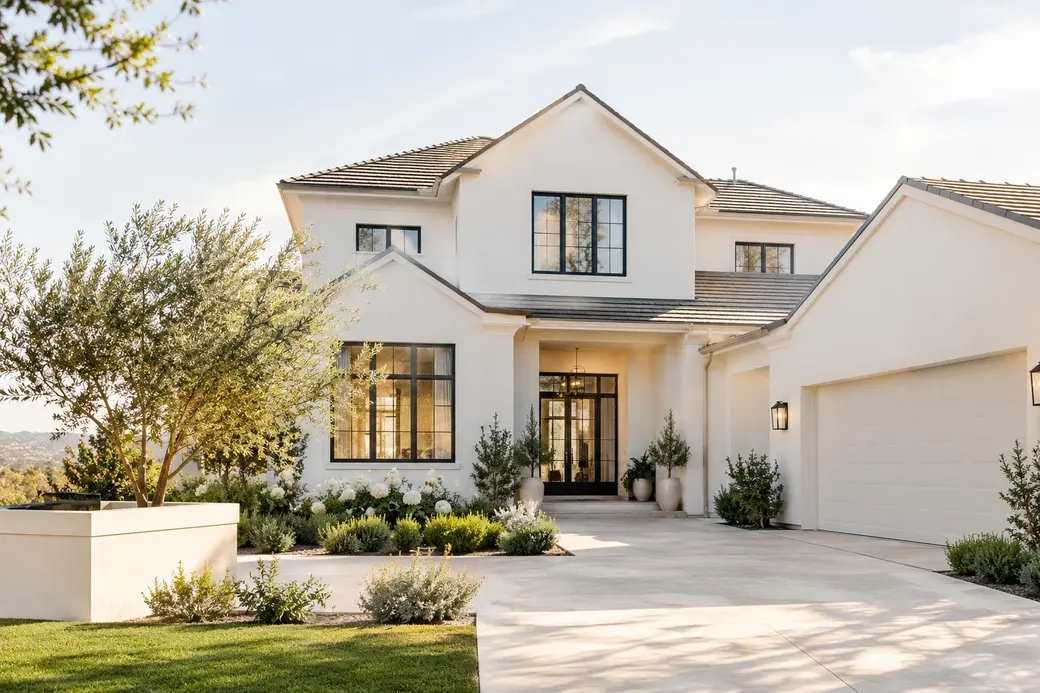
The home search has changed shape. A growing number of the families I represent are not buying a multigenerational home in the Tri-Valley for a couple and a spare room. They are buying for three generations at once: a parent who should no longer be managing stairs, an adult child and their spouse building toward a down payment, grandparents who want to be near the grandchildren without living on top of them. One roof, several lives, and the quiet expectation that each one keeps its privacy.
In twenty years of selling across Dublin, Pleasanton, Livermore, and San Ramon, I have learned to notice when the same request arrives week after week. This is one of them. What used to be the occasional ask has become one of the defining questions of our market.
Why Multigenerational Homes Are No Longer a Niche in the Bay Area
The numbers confirm what I hear at the table. Multigenerational buying reached a record 17 percent of all home purchases in 2024, the highest share since the National Association of Realtors began tracking it in 2013. In NAR’s latest Profile of Home Buyers and Sellers, released in November 2025, that figure eased to 14 percent, still well above where it sat only a few years ago, when it was closer to 11 percent in 2021. Buyers have been candid about why, and the ranking has held steady: cost savings leads, cited by more than a third of these buyers, followed by caring for aging parents and adult children returning home.
Step back and the shift is generational in every sense. The Pew Research Center reports that roughly one in five Americans lives in a multigenerational household, a level the country has not seen in decades. Somewhere in the middle sits the sandwich generation, the parents raising children and caring for their own parents in the same years, often in the same house. In a valley built on two-career households, I could name you a dozen.
Why Multigenerational Demand Runs Deeper in Dublin and San Ramon
Two forces push harder here than almost anywhere else. The first is plain math. With Tri-Valley home prices among the highest in the country, pooling two or even three incomes under one roof is often what makes ownership possible at all. That is precisely why NAR’s buyers named cost savings their number one reason.
The second is cultural. Pew has found that Asian American households are the most likely of any major group to live multigenerationally, and NAR puts the share of Asian and Pacific Islander buyers purchasing multigenerational homes at roughly 26 percent, well above the national average. Then consider who has made the Tri-Valley home. U.S. Census data shows Dublin is now a majority-Asian city and one of the fastest-growing cities in California over the past decade, its Asian population more than tripling between 2010 and 2020, with residents of Indian descent the single largest group. San Ramon sits close to half Asian, Pleasanton is not far behind, and both cities hold large, long-established Indian and Chinese communities.
For many of these families, several generations under one roof is not a trend borrowed from a magazine. It is tradition, and it is how a household is meant to run. Add the economics on top, and you have a market where multigenerational living is less a passing fashion than an expectation, and the homes that honor it tend to move.
What Three-Generation Buyers in the Tri-Valley Actually Look For
After enough of these conversations, the wish list becomes specific, and I know it by heart.
A main-floor bedroom and full bath is the one feature almost no one will compromise on. For a parent who should not be taking stairs each night, it is the difference between a home that works and one that does not. The newer floor plans in East Dublin and the Dougherty Valley enclaves of San Ramon, Gale Ranch and Windemere among them, deliver this far more reliably than our older housing stock.
Then there is the next-gen suite, what builders have long called a home within a home: a self-contained wing with its own entrance, a kitchenette, and a private bath. It offers genuine independence without a second address or a second mortgage. Families ask for dual primary suites, for real separation of sound, for a bonus room that can quietly become a bedroom.
At the top of the market, the logic only sharpens. On the estate properties of Ruby Hill and Castlewood, buyers want the square footage and the grace to carve out an entirely separate wing, a private quarter for parents that reads as their own residence rather than a guest room with good intentions.
And some owners are sitting on the answer already. On the generous older lots of Livermore and Pleasanton, a well-placed ADU can make a single-family home multigenerational without anyone having to move at all.
“When a family tells me they are buying for three generations, I stop measuring square footage and start measuring independence,” I tell my clients. “The homes that succeed are the ones where everyone keeps their privacy and their dignity, not simply an extra door. I have watched that single quality turn a polite maybe into a signed offer.”
One Honest Word Before You Commit
I would be doing you a disservice if I offered only the romance of it. A multigenerational home asks more, of the property and of the family. Privacy, boundaries, and the rhythm of daily life deserve a frank conversation before the purchase, not after. A second kitchen or a separate entrance almost always means permits, and an accessory dwelling unit carries its own timeline and rules worth understanding at the outset. A home tailored too precisely to one family’s arrangement can also narrow its resale later, which is a conversation I would rather have with you now than then.
The right answer is never the floor plan that photographs best. It is the one shaped around your family, your budget, and the way you truly intend to live.
Considering a Multigenerational Home in the Tri-Valley?
Whether you are drawn to a newer home in Dublin or San Ramon with a true main-floor suite, an estate in Pleasanton or Livermore with room for a private wing, or you simply want to know whether your current property could accommodate an ADU, the approach is what separates a compromise from the right home. If a move anywhere in the Tri-Valley is on your mind, or you would like to think through what a multigenerational home could look like for your family, I would welcome the conversation.
Frequently Asked Questions
What is a multigenerational home?
It is a single property designed for three or more generations to live together, typically a grandparent, an adult child and their spouse, and grandchildren, with features that give each generation its own privacy, such as a main-floor suite or a separate wing with its own entrance.
Which Tri-Valley cities are best for multigenerational living?
Dublin and San Ramon offer the most newer floor plans with true main-floor bedrooms and next-gen suites, especially in East Dublin and the Dougherty Valley enclaves of Gale Ranch and Windemere. Pleasanton and Livermore suit buyers who want estate properties with room for a private wing, or older lots where an ADU can be added.
What is a next-gen suite?
It is a self-contained wing within the home, often called a home within a home, with its own private entrance, a kitchenette, and a full bath. It gives a parent or adult child genuine independence without a second address or a second mortgage.
Can I make my current home multigenerational without moving?
Often yes. On the larger lots common in Livermore and Pleasanton, a well-placed accessory dwelling unit (ADU) can add independent living space to an existing single-family home. Keep in mind that an ADU, a second kitchen, or a separate entrance usually requires permits and carries its own timeline.
Do multigenerational homes affect resale value?
They can. A home tailored too precisely to one family’s arrangement may appeal to a narrower pool of future buyers. The goal is flexible privacy that works for your family now and still reads well to the next owner, which is worth discussing before you buy.
Sources: National Association of Realtors, Profile of Home Buyers and Sellers (nar.realtor/research-and-statistics/research-reports/highlights-from-the-profile-of-home-buyers-and-sellers); Pew Research Center on multigenerational households (pewresearch.org); U.S. Census Bureau, 2020 Decennial Census (census.gov).
Categories
- All Blogs (28)
- Bay Area Housing Market (6)
- Buyer Guides (1)
- Home Buying Tips (4)
- Home Maintenance & Seller Tips (1)
- Home Selling Tips (2)
- Livermore Community Resources (1)
- Livermore Neighborhoods (1)
- Livermore Real Estate (2)
- Local Market Insights (5)
- Market Insights (5)
- Market Trends & Home Design (1)
- Real Estate Tips (5)
- Real Estate Tips & Seller Advice (1)
- Selling Your Home (1)
- Tri-Valley & Bay Area Guides (1)
- Tri-Valley Real Estate (3)
Recent Posts